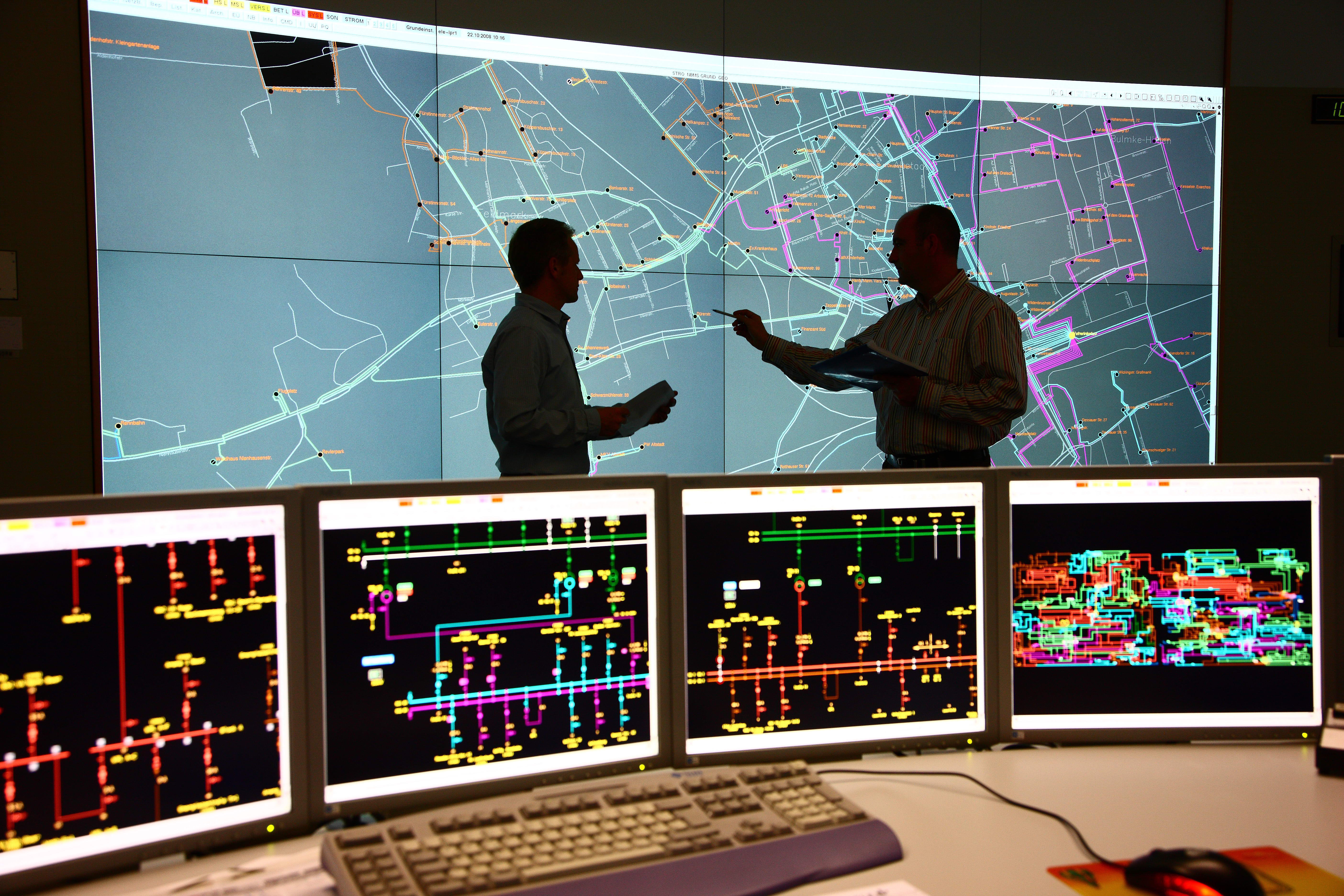

A utility embarking on a three-phase Advanced Distribution Management System (ADMS) implementation faced both technical and organizational challenges. The program included Supervisory Control and Data Acquisition (SCADA), Outage Management System (OMS), and advanced application deployments, requiring close coordination between operations, information technology (IT), and operational technology (OT) teams.
However, limited internal ADMS expertise and siloed communication across departments created barriers to progress. The utility also faced challenges related to network modeling, data integration, and system accuracy, increasing the risk of implementation delays and operational disruptions.
Support a successful ADMS implementation by building organizational readiness, strengthening technical capabilities, and enabling effective adoption across the utility.
The success of the ADMS depended on more than deploying new technology. Teams needed new processes, training, and support tools to effectively transition to future-state operations. At the same time, the utility's network modeling and integration teams were gaining experience with the platform, creating additional pressure to ensure data quality and system reliability throughout the rollout.
Mosaic partnered with the utility to provide both operational and technical support across the ADMS program. On the workforce side, Mosaic developed and delivered comprehensive training that aligned with each phase of the implementation, including instructor-led training for control room personnel and web-based training for storm response teams. The team also led organizational change management activities that strengthened communication, improved business readiness, and helped employees adapt to new ways of working.
On the technical side, Mosaic's OT Support team guided network model development and testing, validated GIS data for OMS integration, and developed business processes, job aids, and performance support resources for dozens of critical workflows. Mosaic also created custom dynamic symbology for ADMS assets to ensure accurate real-time visualization within the system. In addition, the team worked closely with the utility's SAP developers, providing integration and testing support to ensure reliable data exchange between enterprise systems and the new ADMS platform.
The utility gained a stronger operational foundation for managing and expanding its ADMS capabilities. Improved training, standardized processes, and reliable system integrations have positioned the organization for long-term success as it continues its modernization journey.