A large natural gas utility needed to modernize and standardize how technicians are trained to conduct inside leak investigations and apply hazardous-condition tagging. The goals were to create consistent, policy-aligned practice; make training accessible across devices without disrupting operations; capture objective performance data to inform coaching; and keep content fresh and challenging through configurable scenario variations.
Create a standardized, scalable training program that enables technicians to safely and consistently perform inside leak investigations and hazardous-condition tagging while providing measurable performance data and long-term flexibility for training teams.
Inside leak investigations require technicians to make critical decisions in real-world environments where safety, customer interactions, and regulatory compliance all intersect. Traditional training methods can be difficult to standardize at scale and often provide limited opportunities to practice high-risk scenarios repeatedly.
The utility needed a way to deliver realistic, repeatable experiences while capturing measurable performance data, supporting targeted coaching, and avoiding the cost and effort of continually rebuilding training content.
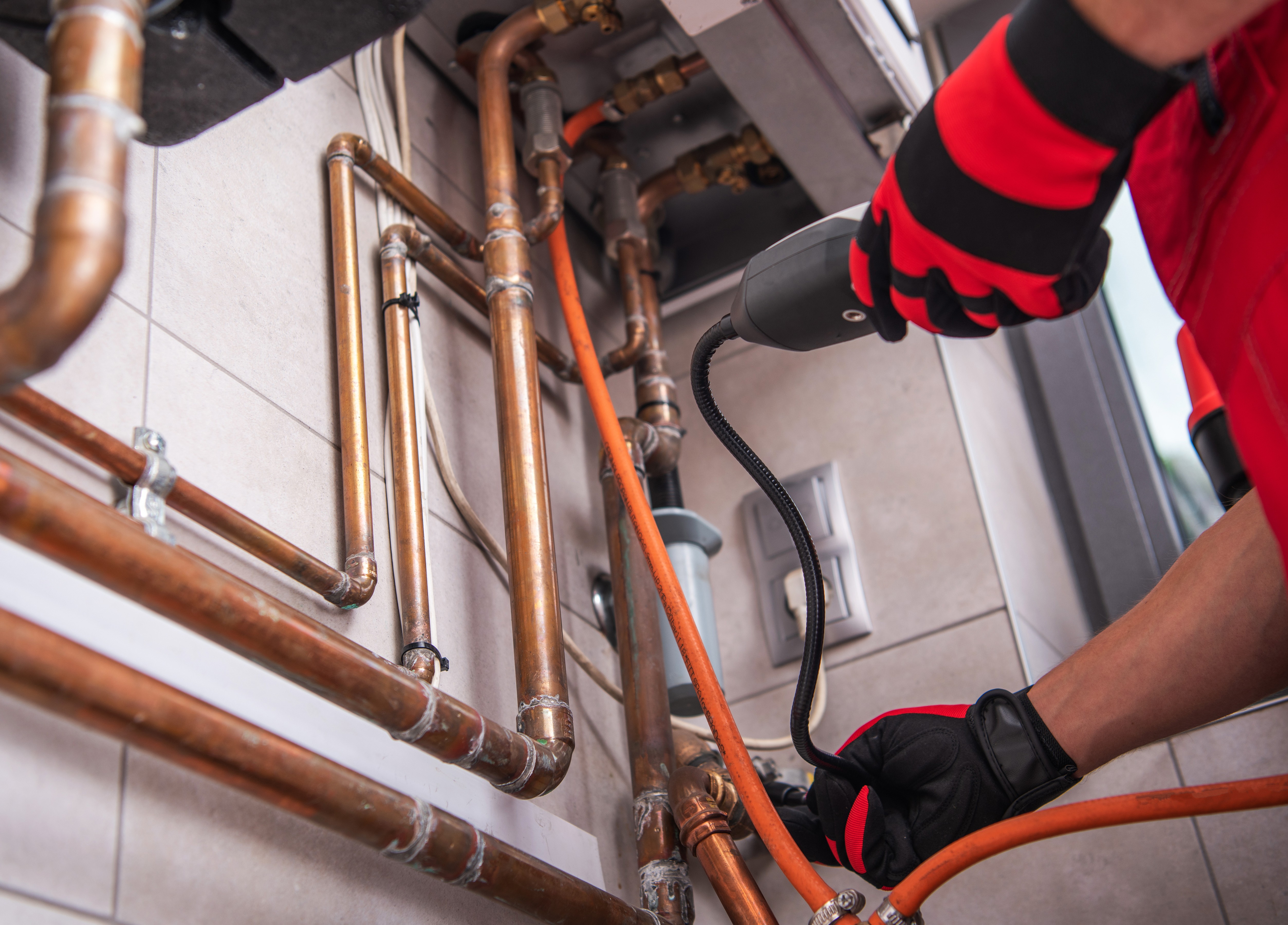
Mosaic partnered with the utility to design and deliver an immersive training experience powered by its XR platform. Learners enter a virtual neighborhood, review a work order, and complete a full inside leak investigation using virtual tools to detect and verify leaks, operate appliance and meter shutoffs, apply tape and red tags, and make escalation decisions based on gas concentration thresholds and customer safety considerations.
To increase realism and replayability, facilitators can configure scenario variations through an administrative console, including:
The platform captures detailed performance data for every session and provides user-level reporting to support objective coaching and debriefing. Mosaic also delivered a comprehensive facilitator guide, train-the-trainer enablement, and a phased development approach that included storyboarding, 3D asset creation, alpha and beta testing, and final deployment. This approach gave the utility's training team the tools to independently manage and evolve training scenarios over time. The utility now has a repeatable, scalable training program that delivers realistic field practice, supports data-driven coaching, and enables continuous scenario customization without ongoing development efforts.
Key outcomes include:
The solution established a scalable, measurable training program that strengthens safety performance, improves technician readiness, and gives the utility long-term control over its training content and delivery.