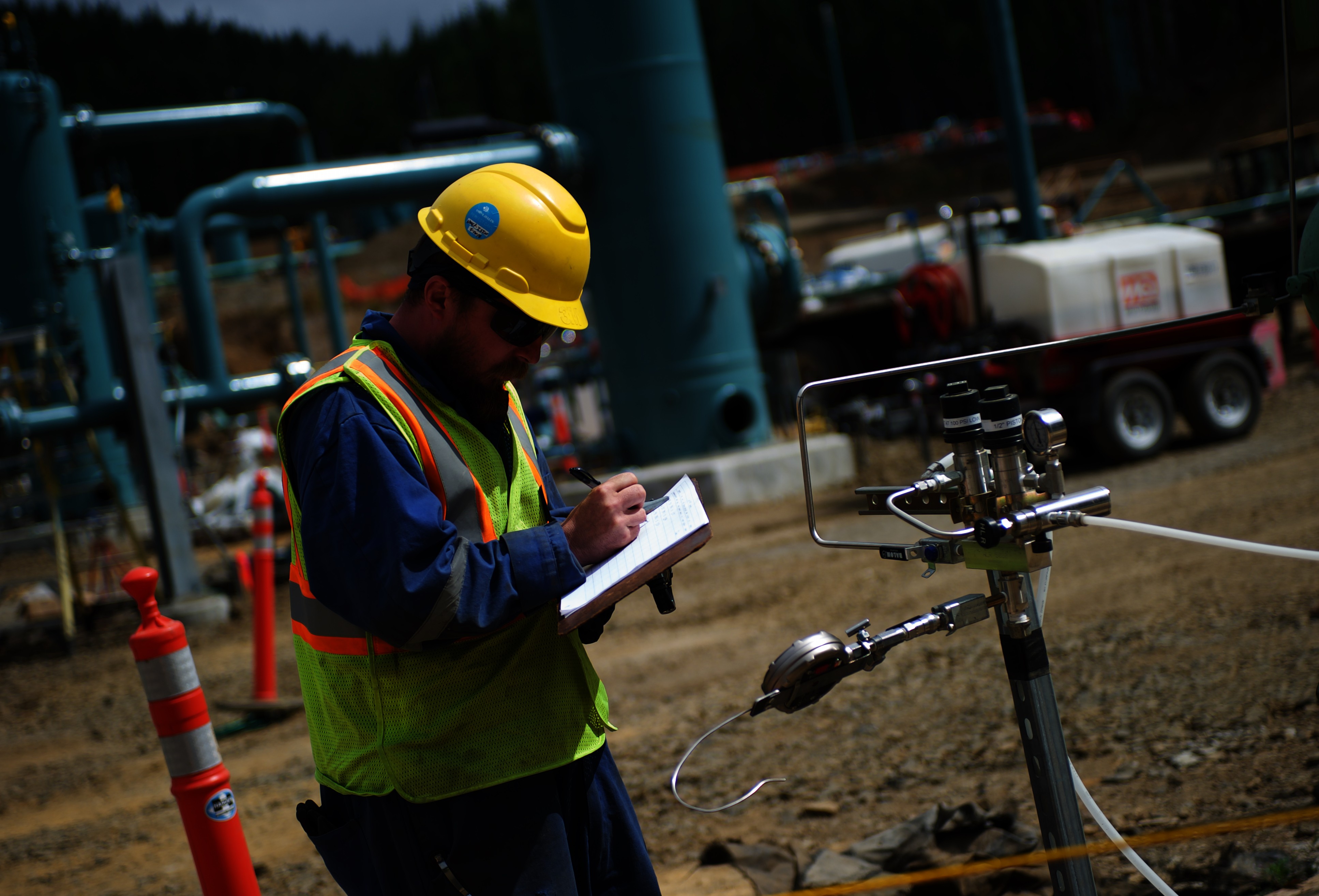

A mid-sized utility set out to build a safer, more capable workforce through world-class learning experiences. To support this vision, the organization invested in a state-of-the-art training facility designed to serve hundreds of employees responsible for building and operating natural gas infrastructure. The utility recognized that maximizing the value of this investment would require more than a new facility. It needed a comprehensive workforce development strategy that aligned training, performance, and business objectives while strengthening operational excellence and safety outcomes
Create a strategic, competency-based workforce development program that maximizes the value of a new training facility while strengthening workforce capability, safety performance, and operational effectiveness.
While the organization had a clear vision for the future, its existing training programs, processes, and systems were not optimized to fully leverage the capabilities of the new facility. The company faced challenges in aligning technical training with operational needs, defining workforce competencies across roles, measuring training effectiveness, and ensuring consistency in instructor delivery. Additionally, opportunities existed to improve scheduling efficiency, increase data visibility for decision-making, and strengthen collaboration between training teams and business partners. Without a unified strategy, the organization risked underutilizing its investment and missing opportunities to enhance workforce performance.
Mosaic partnered with the utility to develop a three-year workforce development strategy aligned with both long-term business objectives and immediate operational priorities. Through strategic planning sessions involving Operations, Technical Training, and Health, Safety, and Environment (HSE) stakeholders, Mosaic helped establish five key priorities: elevating the employee learning experience, implementing an instructor excellence program, enhancing training analytics and reporting, optimizing scheduling processes through automation, and increasing alignment with business partners.
To support these priorities, Mosaic designed a competency model tailored to the organization's technical roles, defining the critical knowledge, skills, abilities, performance expectations, and safety behaviors required for success. Mosaic also transformed ten technical training programs to take full advantage of the new facility and incorporate experiential learning, competency-based methodologies, gamification, and realistic job scenarios. Using the Successive Approximation Model (SAM), an agile instructional design methodology, Mosaic accelerated program development while reducing overall training costs, resulting in a more engaging, effective, and scalable learning ecosystem.
The utility established a sustainable learning and development framework that improves employee readiness, enhances safety and operational outcomes, and enables continued workforce growth through modern, data-driven training practices.